 North Shore Plant Club
- Shop For Plants
- Search Plants
- Resources for Gardeners
- Color Wheel of Plants
- Interactive Landscapes
- Photos of Planters & Hanging Baskets
- September Photos from Our Community
- Botanic Gardens: Chicago & Beyond
- Local Nurseries
- Upcoming Plant Events
- Plant Club Articles & Answers
- Gardening in the News
- Chicagoland Garden Calendar
- Explaining Plant Container Sizes
- Thrillers, Fillers & Spillers
- Join Free!
- Mundelein
Feb 14, 2026
How to Fertilize Patio Pots and Hanging Baskets for Season‑Long Success
Few things say “summer” like lush patio pots and overflowing hanging baskets. They frame our doorways, soften decks and patios, and provide weeks of color right at eye level. Yet these showstoppers have one major drawback: they are completely dependent on us for nutrition. Understanding how—and when—to fertilize container plants is the single most important step in keeping them full, healthy, and blooming from May through fall.
Why Containers Need Extra Feeding
Unlike plants in the ground, those growing in pots and baskets live in a closed system. Their roots can’t explore surrounding soil in search of nutrients. Every time we water—and we water containers a lot—nutrients are flushed out through the drainage holes. Even the best potting mix will be largely depleted within a few weeks. Without regular feeding, plants respond with pale leaves, weak growth, and fewer flowers.
Start with a Strong Foundation, Keep Feeding
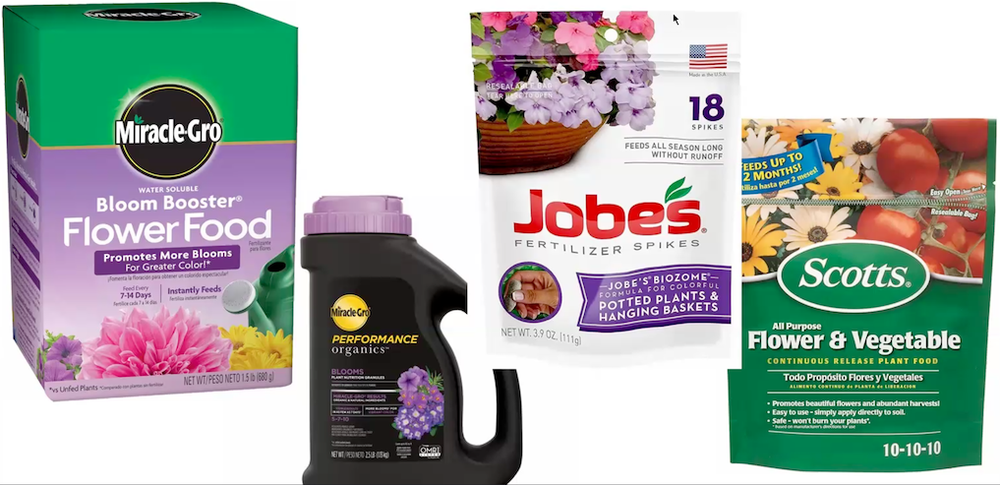
The best fertilizing program begins at planting time. Mixing a slow‑release fertilizer into fresh potting mix gives plants a steady, low‑dose supply of nutrients as they establish roots. These coated granules release nutrients gradually in response to moisture and temperature, providing background nutrition for several weeks or even months, depending on the product and weather conditions. This step doesn’t replace ongoing feeding, but it creates a safety net that keeps plants from running on empty early in the season.
For patio pots and hanging baskets, fertilizer is what really drives performance. Water‑soluble fertilizers deliver nutrients quickly and are immediately available to plants, making them ideal for fast‑growing annuals that bloom heavily. A common rhythm is feeding every one to two weeks, adjusting based on weather, watering frequency, and plant vigor. During hot spells, when containers may need daily watering, nutrients leach out faster and regular feeding becomes even more important. Rather than applying a strong dose occasionally, most experienced gardeners find better results with a “low and steady” approach: fertilizing more frequently at a lower concentration.
If you like "low and steady" or are a little lazy, you might prefer to focus on slow-release fertilizers, like those described above. Several of our club leaders like Jobe's Fertilizer Spikes — a compacted stick which releases fertilizer for a month or two at a time.
One of the most effective strategies for container gardening is using both slow‑release and liquid fertilizers together. The slow‑release product provides consistent background nutrition, while the liquid feed supplies quick energy during peak growth and flowering. This combination mimics how professional growers keep public plantings looking fresh all season.
Understanding Fertilizer Numbers
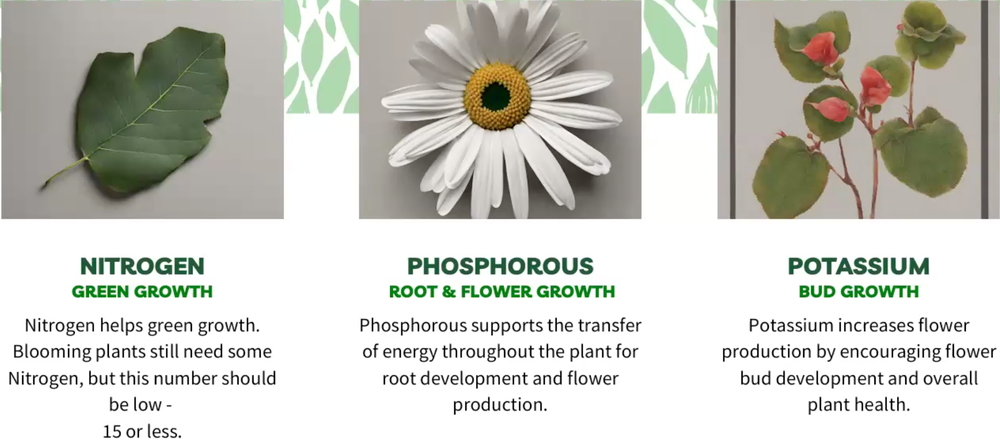
Fertilizers are labeled with three numbers—nitrogen (N), phosphorus (P), and potassium (K).
- Nitrogen fuels leafy growth. Blooming plants need some nitrogen, but typically this number should low... 15 or less.
- Phosphorus supports the transfer of energy throughout the plant for root development and flower production.
- Potassium contributes to overall plant health and stress tolerance, but it also increases flower production by encouraging flower bud development.
For many mixed containers, a balanced fertilizer works well. However, baskets and pots dominated by heavy bloomers—such as petunias, calibrachoa, geraniums, and million bells—often respond beautifully to formulas slightly higher in phosphorus. The key is moderation: excessive nitrogen produces lush foliage at the expense of flowers, while too much fertilizer of any kind can damage roots.
Timing and Technique Matter
Always fertilize when plants are already moist. Applying fertilizer to dry soil can burn roots and stress plants. Early in the day is the best time to water plants, since it allows water to best evaporate from the leaves, reducing the risk of foliar diseases. If you water during the peak heat of a hot summer day, more of the water will evaporate before it gets into your plants.
Avoid fertilizing severely wilted plants; water first, let them recover, and feed later.
Hanging baskets deserve special attention. Because they dry out quickly and are exposed to wind and sun, they often require more frequent watering than larger patio pots, which tends to wash away the fertilizer you worked so hard to add. If baskets seem to stall or lose vigor mid‑summer, increasing feeding frequency—rather than strength—is usually the solution.
Watch the Plants, Not the Calendar
Plants are excellent communicators if we pay attention. Yellowing lower leaves, slow growth, and fewer blooms often signal nutrient deficiency. On the other hand, dark green foliage with lots of leaves and few flowers may indicate too much nitrogen. White crusts on the soil surface or browned leaf tips can point to fertilizer salt buildup, a sign it’s time to leach the pot thoroughly with clear water.
Don’t Forget the Supporting Cast
Fertilizer works best when paired with good cultural practices. Regular deadheading encourages continuous bloom and directs energy where we want it. Proper watering—deep and thorough rather than light and frequent—helps roots access nutrients. Periodically flushing containers with plain water helps prevent salt accumulation, especially in midsummer.
A Little Attention Goes a Long Way
Patio pots and hanging baskets are high‑performance gardens in miniature. They reward attentive care with months of color, texture, and fragrance. By starting with a slow‑release fertilizer, supplementing with regular liquid feeding, and responding to what the plants tell you, you can keep containers looking fresh and vibrant long after others have faded.
In the end, fertilizing containers isn’t about complicated formulas—it’s about consistency, observation, and a willingness to feed a little more often than feels necessary. Your pots and baskets will thank you by putting on their best show all season long.