 North Shore Plant Club
- Shop For Plants
- Search Plants
- Resources for Gardeners
- Color Wheel of Plants
- Interactive Landscapes
- Photos of Planters & Hanging Baskets
- September Photos from Our Community
- Botanic Gardens: Chicago & Beyond
- Local Nurseries
- Upcoming Plant Events
- Plant Club Articles & Answers
- Gardening in the News
- Chicagoland Garden Calendar
- Explaining Plant Container Sizes
- Thrillers, Fillers & Spillers
- Join Free!
- Mundelein
Jan 7, 2026
A Gardener’s Guide to Snow Removal
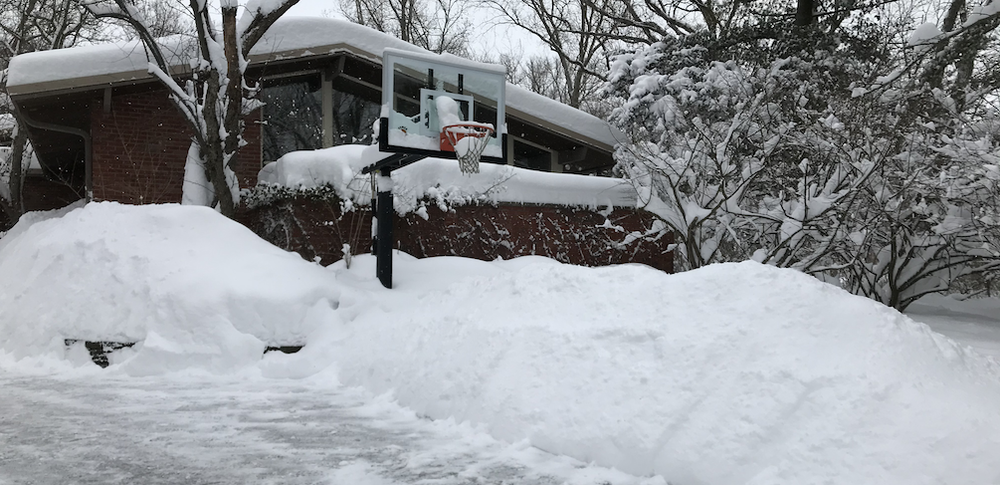
For gardeners, snow is both a gift and a challenge. It insulates plants, replenishes soil moisture, and brightens the winter landscape—but careless snow removal can compact soil, snap branches, and undo months of thoughtful garden design. With a little planning, you can clear paths and driveways while protecting the living landscape beneath the white blanket.
Know What Snow Is Doing for Your Garden
Before grabbing the shovel, remember that snow acts like a winter mulch. A consistent layer helps moderate soil temperatures and shields perennials, bulbs, and beneficial organisms from extreme cold. Where possible, leave snow in garden beds undisturbed. Focus removal efforts on hardscapes—walkways, steps, and driveways—rather than lawns and planting areas.
Shovel with Plants in Mind
When you do shovel, think about where the snow goes. Avoid piling snow onto shrubs, hedges, or perennial crowns; repeated dumping creates heavy, compacted mounds that can break branches and delay spring thaw. Instead, designate “snow zones” such as open lawn areas or the downwind side of fences. Use a plastic shovel rather than metal when working near garden edges to reduce the risk of slicing into dormant plants.
Be Careful with Ice Melt
Many de-icing products are tough on plants and soil. Salt can burn roots, damage turf, and alter soil structure. If you need traction, opt for sand, grit, or calcium magnesium acetate, and use it sparingly. Sweep up excess material once surfaces are safe—what’s left behind will otherwise wash into beds when the snow melts.
Protect Trees and Shrubs
After heavy snowfall, gently brush snow off evergreen branches with an upward motion. This prevents breakage without snapping brittle, frozen limbs. Avoid knocking ice off branches; let it melt naturally. For vulnerable shrubs, a simple burlap wrap or twine support before winter storms can make snow removal a non-issue later. If you have a steep roof, you may want to consider snow guards to break up the avalanches of snow that can suddenly fall onto your plants after a big snow.
Think Ahead for Spring
Where you place snow affects meltwater patterns. Snow piled along foundations or garden borders can lead to soggy soils and rot once temperatures rise. Spreading snow more evenly helps it melt gradually and soak in where plants can use it.
Handled thoughtfully, snow removal becomes another form of winter garden care—one that keeps paths safe now while setting the stage for a healthier, happier garden when spring finally arrives.