 North Shore Plant Club
- Shop For Plants
- Search Plants
- Resources for Gardeners
- Color Wheel of Plants
- Interactive Landscapes
- Photos of Planters & Hanging Baskets
- September Photos from Our Community
- Botanic Gardens: Chicago & Beyond
- Local Nurseries
- Upcoming Plant Events
- Plant Club Articles & Answers
- Gardening in the News
- Chicagoland Garden Calendar
- Explaining Plant Container Sizes
- Thrillers, Fillers & Spillers
- Join Free!
- Mundelein
Mar 25, 2026
How to Make Your Own Leaf Mulch
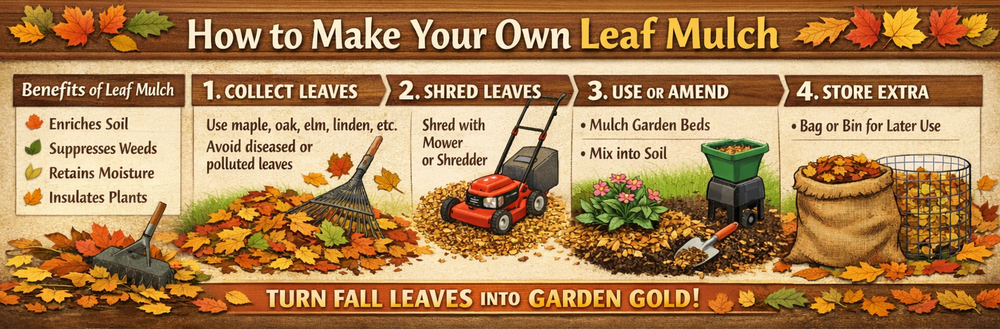
Every autumn, bags of fallen leaves line the curb—but for gardeners, those leaves are anything but waste. They’re a free, locally sourced soil amendment that can dramatically improve your garden if you know how to use them. Making your own leaf mulch is simple, inexpensive, and one of the most sustainable habits a gardener can adopt.
Why Leaf Mulch Is So Valuable
Leaves are nature’s original mulch. As leaves break down, they add organic matter back to the soil improving structure, drainage, and moisture retention. In clay-heavy soils like Chicago's, leaf mulch helps loosen compaction and encourages healthier root growth. It also feeds beneficial soil organisms, suppresses weeds, and protects plant roots from temperature swings.
Best of all, leaf mulch returns the same nutrients to your garden that trees pulled from the soil in the first place—closing a very satisfying loop.
The great thing is that turning your leaves into mulch doesn't actually take any longer than activities you were going to do anyway. Turning your leaves into mulch may not take any more work than you were previously doing. Rather than raking and bagging your leaves, turn them into something that's great for your yard.
Collect the Right Leaves
Most deciduous tree leaves work well, including maple, oak, elm, linden, and honeylocust. A mix is ideal. Avoid leaves from streets with heavy traffic (they may contain pollutants). Don't use leaves from near a tree that has had disease issues.
Oak leaves sometimes get a bad reputation for being too acidic, but in practice they’re perfectly safe to use, especially once shredded and composted into mulch with a mix of leaves from other plants.
Shred for Faster Results
Whole leaves will eventually break down, but it can take a long time, so shredding them makes a big difference. Smaller pieces decompose faster, stay in place better, and are easier to spread.
Easy shredding methods include:
- Running over dry leaves with a lawn mower
- Raking leaves onto a tarp and chopping them with repeated mower passes
- Using a leaf shredder or vacuum
Aim for pieces roughly dime to quarter sized.
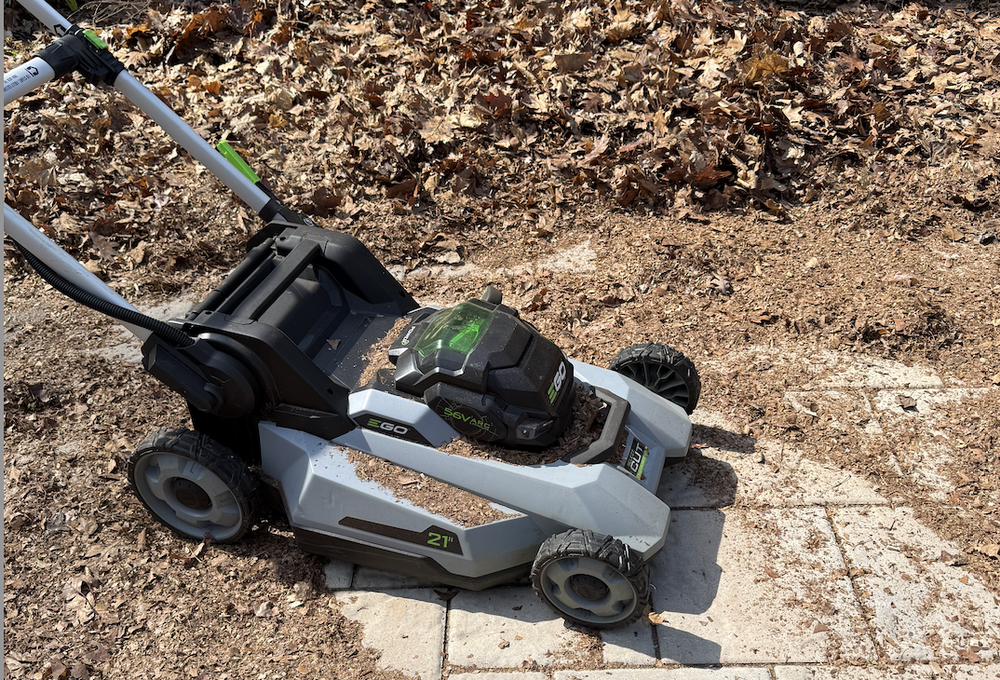
Mowing full-sized leaves into mulch is surprisingly satisfying. You may need to run your lawn mower over them a couple of times to get the desired effect. Make sure to remove solid objects that may have fallen into your leaves, so that your mower doesn't try to mulch things like gutter coverings!
Decide How You’ll Use Them
You can use leaf mulch in a few different ways:
As garden bed mulch:
Spread a 2–4 inch layer over perennial beds, around shrubs, and in vegetable gardens. Keep mulch a few inches away from plant crowns and tree trunks. Or you can just blow it back onto your beds with a leaf blower — if so, you may want to put on goggles or a mask to keep leaf bits out of your eyes and lungs!
As a soil amendment:
Work shredded leaves into the top several inches of soil in fall or spring. Over time, they’ll improve texture and fertility.
As a winter protector:
After the ground freezes, leaf mulch makes excellent insulation for tender perennials, newly planted shrubs, and garlic beds.
Many deciduous plants benefit from being buried under a few leaves during the winter, so If you run out of time for chopping the leaves in the fall, you can typically leave leaves covering your garden beds through fall and winter, and mulch the leaves on the first nice day of spring! Prioritize mulching the leaves on your grass first — the combination of dark and wet under the leaves is not very good for your lawn.
Store The Leaves You Don’t Use
If you collect more leaves than you need, you can store them dry in breathable bags or a simple wire bin. Over winter, they’ll partially break down and be even readier to use in spring.
A Small Habit with Big Payoff
Making your own leaf mulch turns a seasonal chore into a long term investment in your garden. It reduces waste, saves money, and builds healthier soil year after year. Once you start seeing leaves as a resource instead of a nuisance, fall cleanup becomes a lot more satisfying—and your garden will thank you for it.