 North Shore Plant Club
- Shop For Plants
- Search Plants
- Resources for Gardeners
- Color Wheel of Plants
- Interactive Landscapes
- Photos of Planters & Hanging Baskets
- September Photos from Our Community
- Botanic Gardens: Chicago & Beyond
- Local Nurseries
- Upcoming Plant Events
- Plant Club Articles & Answers
- Gardening in the News
- Chicagoland Garden Calendar
- Explaining Plant Container Sizes
- Thrillers, Fillers & Spillers
- Join Free!
- Mundelein
Feb 25, 2026
Let's Put Our Tulips Together
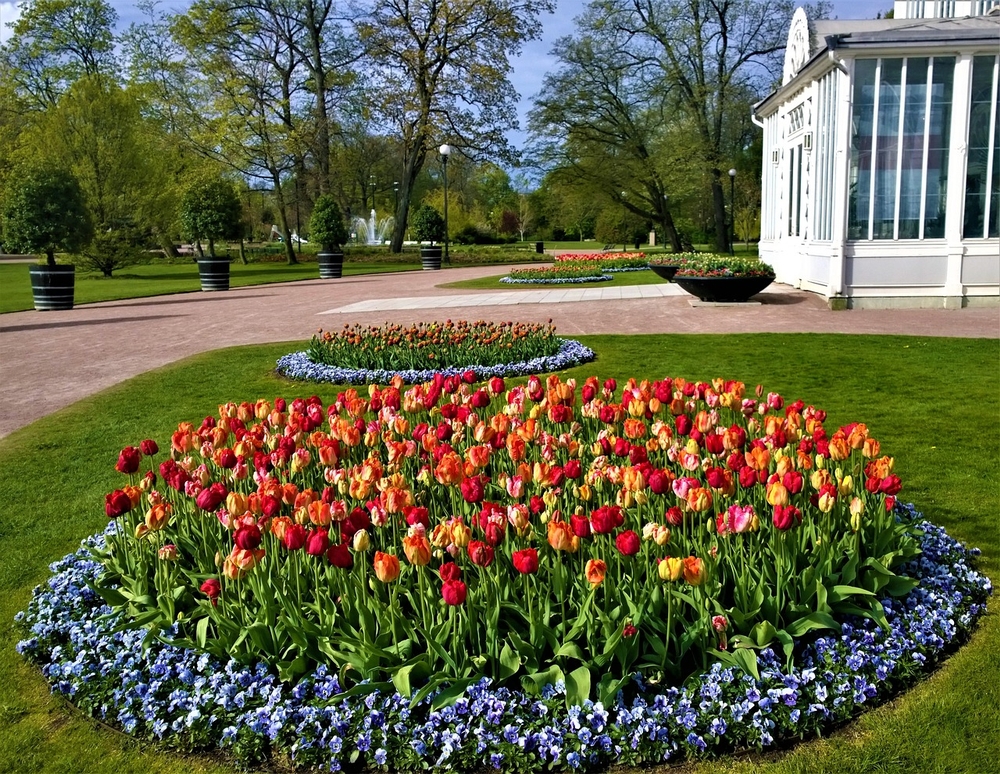
Five Beautiful Ways to Work Tulips into Your Home Landscape
Tulips may be one of the most familiar spring flowers, but they’re far from one‑dimensional. With thoughtful placement and a little creativity, tulips can play many different roles in the home landscape—from bold spring statements to subtle seasonal accents. Here are five distinct and effective ways to weave tulips into your garden so they feel intentional, integrated, and exciting year after year.
1. Create a Spring “Moment” at the Front Door
One of the most impactful places for tulips is right where you and your guests arrive. Massed tulips flanking a front walk, entry steps, or mailbox create an unmistakable sense of spring arrival. Choose a limited color palette—such as creamy whites, soft pinks, or classic red—to keep the look elegant rather than busy. Plant generously and tightly for the best effect; tulips read best in drifts, not as scattered individuals. This approach works especially well when paired with evergreen shrubs or boxwood that provide structure after the blooms fade.
2. Tuck Tulips into Perennial Beds for Seasonal Surprise
Tulips don’t have to live in their own dedicated bed. One of the most natural-looking approaches is to interplant them among perennials. As tulips emerge and bloom early, they fill visual gaps before perennials wake up. By the time tulip foliage begins to yellow, expanding leaves from hostas, daylilies, or peonies help disguise it. This layered strategy makes tulips feel like part of the garden’s rhythm rather than a short‑lived spectacle.
3. Use Tulips as a Design Tool for Color Play
Tulips offer a rare chance to use strong, saturated color early in the season. Instead of spreading many colors across the garden, consider using tulips to “echo” a single color in multiple locations. For example, repeat deep purple tulips in several beds to guide the eye across the landscape. Alternatively, reserve bold colors—like orange or magenta—for one intentional focal area, while keeping the rest of the garden more restrained. Thoughtful color repetition makes even simple plantings feel designed.
4. Highlight Garden Edges and Pathways
Tulips are ideal for defining edges. A row or loose drift along a garden path, driveway, or lawn edge adds structure without permanence. Because tulips appear and disappear, they’re perfect for areas where you want spring definition without committing to year‑round formality. Shorter varieties work especially well here, keeping sightlines open while still delivering color at ground level. This approach is also a great way to connect different parts of the garden visually.
5. Embrace Tulips as Seasonal, Not Permanent
Perhaps the most freeing way to use tulips is to think of them as a seasonal layer rather than a forever plant. Some gardeners treat tulips almost like spring annuals—planting new bulbs each fall for maximum performance, then letting summer plants take over. This mindset allows you to experiment with new varieties, colors, and layouts every year without worrying about long‑term perfection. It also encourages creativity and keeps the spring garden feeling fresh and dynamic.
Tulips shine brightest when they’re used with intention. Whether they’re anchoring your front entry, weaving through perennial beds, or creating a fleeting moment of spring drama, tulips reward thoughtful placement. By thinking of them as part of a larger design—rather than just a spring obligation—you can make tulips one of the most joyful and versatile elements in your home landscape