 North Shore Plant Club
- Shop For Plants
- Search Plants
- Resources for Gardeners
- Color Wheel of Plants
- Interactive Landscapes
- Photos of Planters & Hanging Baskets
- September Photos from Our Community
- Botanic Gardens: Chicago & Beyond
- Local Nurseries
- Upcoming Plant Events
- Plant Club Articles & Answers
- Gardening in the News
- Chicagoland Garden Calendar
- Explaining Plant Container Sizes
- Thrillers, Fillers & Spillers
- Join Free!
- Mundelein
Sep 27, 2025
Outsmarting Bunnies: A Guide to Rabbit‑Proofing Your Garden
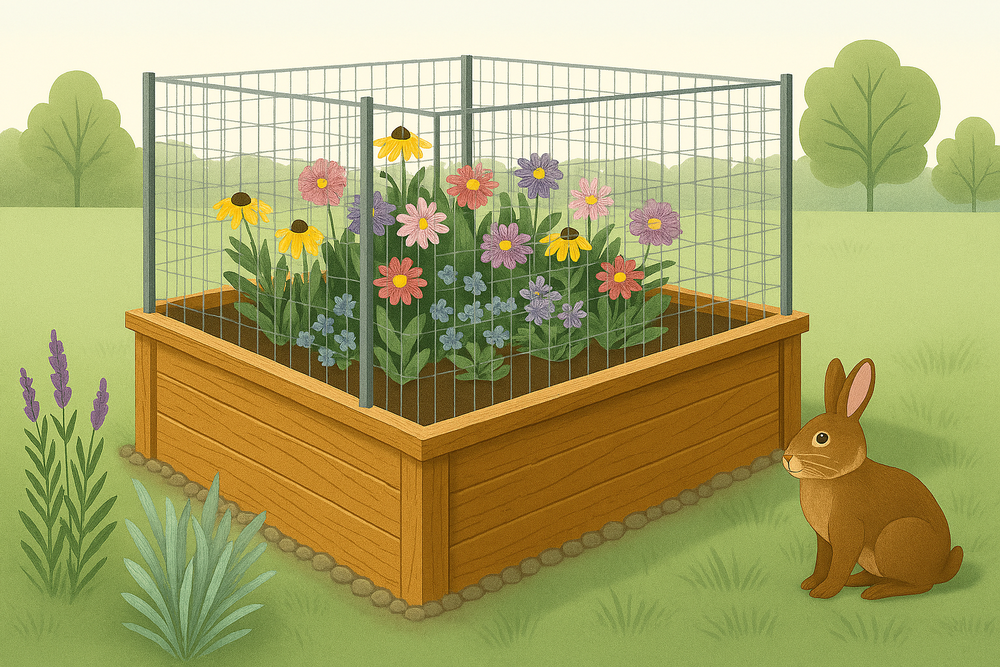
In honor of National Bunny Day
Rabbits may be adorable, but in the garden they can be surprisingly destructive. Tender shoots clipped cleanly at ground level, seedlings vanishing overnight, and flowers reduced to stubs are all classic signs of rabbit visits. National Bunny Day, typically observed on the fourth Saturday of September, offers the perfect moment to talk about how gardeners can protect plants humanely while still appreciating wildlife.
In the wild, rabbits have a number of predators. If you have coyotes, foxes, weasels, eagles, hawks, owls (or dogs or cats) near your garden, you probably will not have a rabbit problem. But in human-oriented suburbs, rabbits often get out of control.
The key to success is understanding rabbit behavior and combining several strategies rather than relying on just one.
Know Your Visitor
Rabbits are creatures of habit. They prefer gardens that offer three things: easy access, tender food, and safe cover. They typically feed at dawn and dusk and favor young, succulent growth. Because they are prey animals, rabbits avoid open spaces and rely on nearby shrubs, tall grass, or cluttered corners to retreat quickly if startled.
Once you understand this, rabbit‑proofing becomes less about force and more about making your garden feel inconvenient and unwelcoming.
Start with Physical Barriers
The most reliable way to protect a garden is exclusion. A well‑installed barrier doesn’t rely on scent, weather, or memory—it simply blocks access.
- Fencing: A rabbit fence should be about 2 feet tall and made of wire mesh with openings no larger than 1 inch. Rabbits can squeeze through surprisingly small gaps. Extending the fence several inches into the soil or bending it outward at the base helps prevent digging underneath.
- Raised Beds: Raised beds at least 18 inches high naturally discourage rabbits and make it easier to add fencing or covers if needed. They also improve drainage and soil control.
- Plant Guards and Row Covers: Individual plant cages, cloches, or lightweight row covers work well for seedlings and prized plants. These are especially useful early in the season when plants are most vulnerable.
Reduce Shelter and Hiding Spots
Rabbits rarely venture far from cover. One of the simplest deterrents is to tidy the garden’s edges.
Trim tall grass, remove brush piles, and thin dense groundcovers near beds. Clearing a few feet around planting areas forces rabbits to cross open ground, which many are reluctant to do.
Use Plant Choice to Your Advantage
While no plant is completely rabbit‑proof, some are far less appealing. Rabbits tend to avoid plants with strong scents, bitter flavors, fuzzy leaves, or tough textures.
Commonly avoided plants include lavender, sage, rosemary, daffodils, alliums, and marigolds. Using these plants as borders or interplanting them among more vulnerable favorites can help reduce browsing pressure.
Here’s a list of typically rabbit-resistant plants.
Try Repellents—With Realistic Expectations
Commercial and homemade repellents work by smell or taste and can be helpful as part of a broader strategy. Products made with garlic, hot pepper, or predator scents can discourage feeding, especially in low‑pressure situations.
However, repellents require frequent reapplication, especially after rain, and are most effective when combined with fencing or habitat changes rather than used alone.
Add Motion and Surprise
Rabbits dislike unpredictability. Wind‑driven items such as pinwheels, reflective ribbon, or lightweight chimes can make a garden feel less safe. These methods work best when moved occasionally so rabbits don’t become accustomed to them.
Protect Trees and Shrubs
In fall and winter, rabbits may gnaw bark on young trees and shrubs. Wire cylinders placed around trunks prevent damage and allow plants to mature without stress.
Combine Strategies for Best Results
The most successful gardens use layers of defense: a fence to block access, tidy borders to remove shelter, selective plant choices, and occasional deterrents. No single method works forever, but together they create a garden that simply isn’t worth the effort.
A Humane Perspective
Rabbit‑proofing doesn’t mean harming wildlife. It’s about setting boundaries that protect your hard work while allowing animals to move on to other food sources. With thoughtful planning, gardeners can celebrate National Bunny Day by honoring both their gardens and the creatures that share the landscape.