 North Shore Plant Club
- Shop For Plants
- Search Plants
- Resources for Gardeners
- Color Wheel of Plants
- Interactive Landscapes
- Photos of Planters & Hanging Baskets
- October Photos from Our Community
- Botanic Gardens: Chicago & Beyond
- Local Nurseries
- Upcoming Plant Events
- Plant Club Articles & Answers
- Gardening in the News
- Chicagoland Garden Calendar
- Explaining Plant Container Sizes
- Thrillers, Fillers & Spillers
- Join Free!
- Mundelein
James' Sedge (Carex jamesii)
|
|
| Deciduous Perennial Low, Clump-Forming in the Cyperaceae Family | |
This woodland sedge develops early in the spring and blooms before the canopy trees have fully developed their leaves. |
|
|
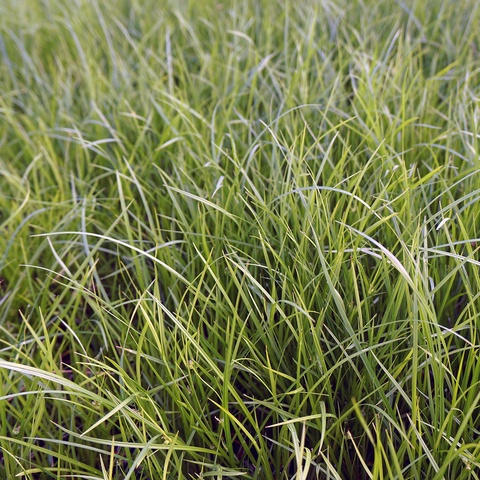
Carex jamesii is a native North American sedge that forms dense, clumping mounds. Growing 6-12 inches tall, this species features fine-textured, medium green leaf blades and small, inconspicuous flower/fruit spikes. James' Sedge prefers consistently moist, well-drained soils in partial shade to full shade conditions. It is naturally found in moist woods, along stream banks, and in other shaded, woodland habitats. C. jamesii is valued for its low-growing, cushion-like habit and ability to provide ground cover. |
|
Pros
|
|
Cons
|
|
| Why Like | An unassuming but ecologically valuable woodland native, James' Sedge produces seed that is an important food source for many woodland bird species. It also serves as a host plant for the caterpillars of the Eyed Brown and Appalachian Brown butterflies, along with various leaf beetles, grasshoppers, and skippers. |
| Highlights | Low, tidy, grass-like groundcover for dry to moist shade; an important food source for woodland birds; host plant for the Eyed Brown and Appalachian Brown butterflies. |
Plant Data | |
| Mature Size | 6 - 8 inches tall. 6 - 8 inches wide. |
| Sun Exposure | Full Shade - Partial Sun |
| Moisture Tolerance | Dry - Wet: Ideally grown in evenly moist (mesic) soil, but tolerates both drier and damper conditions once established, reflecting its native range across a variety of woodland sites. |
| Zones | 4a - 8b (Usually hardy to -30° F) |
| Tags | Attracts Birds, Attracts Butterflies, Deciduous, Deer Resistant, Dry, Full Shade, Grasses, Illinois Native, Medium, Native to North America, Partial Shade, Partial Sun, Perennial, Rabbit Resistant, Wet, Wet Site Tolerant |
| Bloom Period | April to May |
| Flower Color | Green |
Plant Club Content |
|
| |
|
Want More
photos of this plant? Try
Google Image Search!
|
|
Pricing and Availability HistoryClick a label to toggle visibility for that size
|
|
Past Availability2025 : 04/03 - 09/062024 : 05/01 - 07/06 2023 : 05/04 - 07/08 |
|