 North Shore Plant Club
- Shop For Plants
- Search Plants
- Resources for Gardeners
- Color Wheel of Plants
- Interactive Landscapes
- Photos of Planters & Hanging Baskets
- November Photos from Our Community
- Botanic Gardens: Chicago & Beyond
- Local Nurseries
- Upcoming Plant Events
- Plant Club Articles & Answers
- Gardening in the News
- Chicagoland Garden Calendar
- Explaining Plant Container Sizes
- Thrillers, Fillers & Spillers
- Join Free!
- Mundelein
New Jersey Tea (Ceanothus americanus)
|
|
| Deciduous Perennial Rounded, Spreading in the Rhamnaceae Family | |
A tough, drought-tolerant native shrub with fragrant white flower clusters and a Revolutionary War tea-substitute history. |
|
|
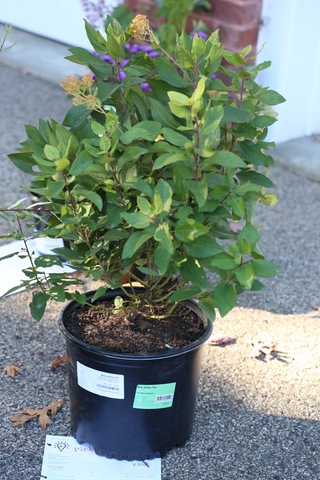
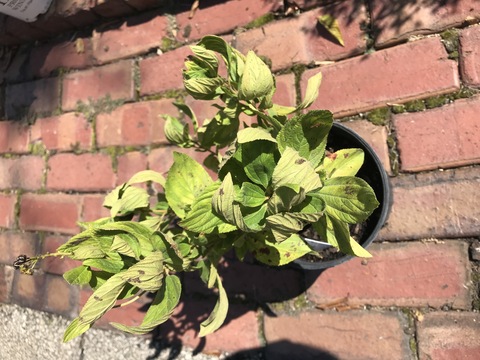
Ceanothus americanus, commonly called New Jersey Tea, is a low, native North American shrub that forms rounded, spreading mounds 3 to 4 feet tall and up to 5 feet wide. Its simple, dark green leaves set off dense, rounded clusters of small, fragrant white flowers in late spring and summer. The species gets its common name from Revolutionary War-era colonists, who brewed its caffeine-free leaves as a substitute for imported tea. A deep, woody taproot makes it notably drought tolerant once established, though also difficult to transplant or divide. |
|
Pros
|
|
Cons
|
|
| Why Like | A true Illinois native found in prairies, savannas, and open woodlands statewide, New Jersey Tea is a valuable low shrub layer plant in native plant communities. Its fragrant flower clusters draw bees, butterflies, wasps, and hummingbirds, and it serves as a larval host plant for the Mottled Duskywing and Spring/Summer Azure butterflies. Like other Ceanothus species, its roots host nitrogen-fixing bacteria, naturally enriching the soil around it -- a trait prized in restoration plantings on poor, sandy, or rocky sites. |
| Highlights |
|
Plant Data | |
| Mature Size | 3 - 4 feet tall. 3 - 5 feet wide. |
| Growth Rate | Medium |
| Sun Exposure | Partial Shade - Full Sun |
| Moisture Tolerance | Dry - Medium: Drought tolerant once established thanks to its deep taproot; does not tolerate consistently wet or poorly-drained soil. |
| Zones | 4a - 8b (Usually hardy to -30° F) |
| Tags | Attracts Bees, Attracts Butterflies, Attracts Hummingbirds, Attracts Pollinators, Attracts Wildlife, Deciduous, Drought Tolerant, Dry, Erosion Control, Fragrant Flowers, Full Sun, Good for Butterfly Garden, Good for Rock Garden, Groundcover, Illinois Native, Medium, Native to North America, Partial Shade, Partial Sun, Perennial, Prairie Garden, Shrub, Tolerant of Hot Dry Site, Tolerant of Poor Soil, Tolerant of Sandy Soil, Well-Drained Soil |
| Bloom Period | May to August |
| Flower Color | White |
| Foliage Color | Dark Green
|
Most Popular Plants |
|
More Info from Experts |
|
| |
|
Want More
photos of this plant? Try
Google Image Search!
|
|
Pricing and Availability HistoryClick a label to toggle visibility for that size
|
|
Past Availability2025 : 04/13 - 10/042024 : 05/01 - 10/05 2023 : 06/21 - 08/27 |
|