 North Shore Plant Club
- Shop For Plants
- Search Plants
- Resources for Gardeners
- Color Wheel of Plants
- Interactive Landscapes
- Photos of Planters & Hanging Baskets
- October Photos from Our Community
- Botanic Gardens: Chicago & Beyond
- Local Nurseries
- Upcoming Plant Events
- Plant Club Articles & Answers
- Gardening in the News
- Chicagoland Garden Calendar
- Explaining Plant Container Sizes
- Thrillers, Fillers & Spillers
- Join Free!
- Mundelein
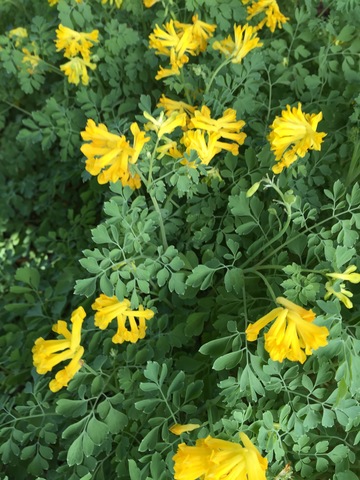
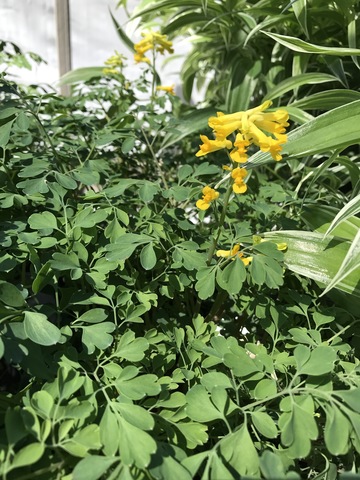
Yellow Corydalis (Corydalis lutea)
|
|
| Semi-Evergreen Perennial Mound-Forming in the Papaveraceae Family | |
Cheerful golden-yellow blooms over ferny blue-green foliage, nearly nonstop from spring to frost -- a tough, self-sowing perennial for deep shade. |
|
|
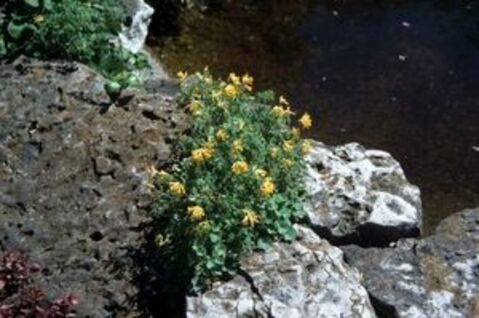
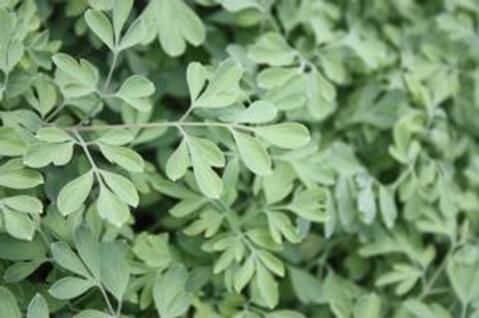
Yellow corydalis (Corydalis lutea) is a tough, finely textured perennial for shade, producing clusters of bright yellow, spurred flowers almost continuously from late spring until frost. Ferny, blue-green foliage forms a tidy mound and stays attractive -- often semi-evergreen in milder winters -- through the whole growing season. Easy and adaptable, it self-sows readily in gravelly or well-drained soil, perfect for softening stone walls, steps, and shady nooks, though it is not for wet, soggy ground. |
|
Pros
|
|
Cons
|
|
| Why Like | A European woodland native long naturalized in cottage gardens, yellow corydalis rewards with months of cheerful yellow flowers in deep shade where few other perennials bloom at all. Its ferny, blue-green foliage and eagerness to self-sow into gravel, stone walls, and garden gaps make it a classic, reliably-reappearing plant for shady, informal gardens. |
| Highlights | One of the few true full-shade perennials with months of continuous bloom -- a classic cottage-garden self-seeder for stone walls and shady gaps. |
Plant Data | |
| Mature Size | 10 - 18 inches tall. 12 - 24 inches wide. |
| Sun Exposure | Full Shade - Full Sun |
| Moisture Tolerance |
Dry - Medium: Tolerates dry spells well once established, reflecting its native rocky, free-draining habitat, but does not tolerate waterlogged soil, especially during winter. |
| Zones | 4a - 8b (Usually hardy to -30° F) |
| Tags | Container, Deer Resistant, Dry, Fast Growth Rate, Fragrant Flowers, Full Shade, Full Sun, Good for Borders, Good for Cottage Garden, Groundcover, Medium, Naturalizing, Normal Soil, Partial Shade, Partial Sun, Perennial, Rabbit Resistant, Showy Flowers, Tolerant of Moist Soil, Tolerant of Sandy Soil, Well-Drained Soil, Woodland Garden |
| Bloom Period | Late Spring - Fall |
| Flower Color | Bright Yellow
|
More Info from Experts |
|
Commonly Planted with...Pairs well with shade perennials such as bleeding heart, hellebore, heuchera, ferns, and hosta, and can fill in under taller sun-tolerant perennials like peonies or daylilies in brighter spots. |
|


| |
|
Want More
photos of this plant? Try
Google Image Search!
|
|
Pricing and Availability HistoryClick a label to toggle visibility for that size
|
|
Past Availability2025 : 04/13 - 07/262023 : 05/04 - 07/08 |
|