 North Shore Plant Club
- Shop For Plants
- Search Plants
- Resources for Gardeners
- Color Wheel of Plants
- Interactive Landscapes
- Photos of Planters & Hanging Baskets
- November Photos from Our Community
- Botanic Gardens: Chicago & Beyond
- Local Nurseries
- Upcoming Plant Events
- Plant Club Articles & Answers
- Gardening in the News
- Chicagoland Garden Calendar
- Explaining Plant Container Sizes
- Thrillers, Fillers & Spillers
- Join Free!
- Mundelein
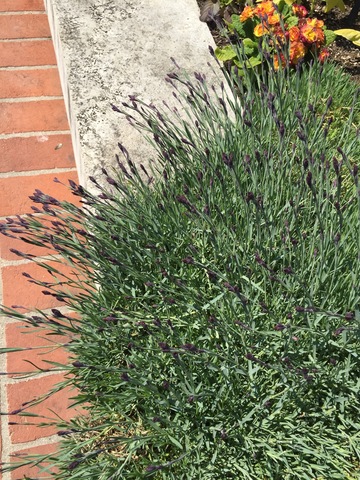
Bath's Pink Cheddar Pink (Dianthus 'Bath's Pink')
|
|
| Deciduous Perennial in the Caryophyllaceae Family | |
About PinksThe Dianthus genus includes approximately 300 species and over 27,000 registered cultivar names. Several are cultivated as garden ornamentals, and most are suited to rock gardens. They are grown as annuals, biennials and evergreen perennials.Flowers are 5-parted, fragrant, pink-lilac, pink-purple or white, often with picotee margins. The common name of 'pinks' does not refer to the color, but to the fringed or frilly edging which looks like it was trimmed with 'pinking shears'. Dianthus should be planted in full sun but can tolerate some shade. Well-drained soil and good air circulation are necessary to avoid root rot and fungal diseases. Dianthus will grow in different soil types, preferring neutral to slightly alkaline soil, but can tolerate some acidity.
|
|
Pros
|
|
Cons
|
|
Plant Data | |
| Mature Size | 6 - 12 inches tall. 12 - 18 inches wide. |
| Sun Exposure | Full Sun - Full Sun |
| Moisture Tolerance | Medium |
| Zones | 3a - 9b (Usually hardy to -40° F) |
| Tags | Attracts Birds, Attracts Birds, Attracts Butterflies, Attracts Butterflies, Attracts Hummingbirds, Attracts Hummingbirds, Attracts Pollinators, Attracts Pollinators, Container, Container, Deciduous, Deciduous, Deer Resistant, Deer Resistant, Drought Tolerant, Drought Tolerant, Edging, Edging, Extended Bloom Time, Extended Bloom Time, Filler, Filler, Formal Garden, Formal Garden, Fragrant Flowers, Fragrant Flowers, Full Sun, Full Sun, Full Sun, Good for Beginners, Good for Beginners, Good for Borders, Good for Borders, Good for Butterfly Garden, Good for Butterfly Garden, Good for Cottage Garden, Good for Cottage Garden, Good for Cut Flowers, Good for Cut Flowers, Good for Mass Planting, Good for Mass Planting, Good for Rock Garden, Good for Rock Garden, Low Maintenance, Low Maintenance, Medium, Medium, Mounded, Mounded, Normal Soil, Normal Soil, Perennial, Perennial, Rabbit Resistant, Rabbit Resistant, Reblooms, Reblooms, Showy Flowers, Showy Flowers, Tolerant of Clay Soil, Tolerant of Clay Soil, Tolerant of Moist Soil, Tolerant of Moist Soil, Tolerant of Salt, Tolerant of Salt, Tolerant of Sandy Soil, Tolerant of Sandy Soil, Well-Drained Soil, Well-Drained Soil, Winter Interest, Winter Interest |
| Bloom Period | May to July |
| Flower Color | Pink
|
Absolutely Easy Garden Recipes that include Bath's Pink Cheddar Pink |
|
More Info from Experts |
|
Photos of This with...Summer White Tall Bearded Iris, Wench Tall Bearded Iris, Peony, Schroeder Strain Alpine Currant |
|



| |
|
Want More
photos of this plant? Try
Google Image Search!
|
|
Pricing and Availability HistoryClick a label to toggle visibility for that size
|
|
Past Availability2024 : 05/16 - 06/15 |
|