 North Shore Plant Club
- Shop For Plants
- Search Plants
- Resources for Gardeners
- Color Wheel of Plants
- Interactive Landscapes
- Photos of Planters & Hanging Baskets
- October Photos from Our Community
- Botanic Gardens: Chicago & Beyond
- Local Nurseries
- Upcoming Plant Events
- Plant Club Articles & Answers
- Gardening in the News
- Chicagoland Garden Calendar
- Explaining Plant Container Sizes
- Thrillers, Fillers & Spillers
- Join Free!
- Mundelein
Common Bugleweed (Ajuga reptans)
|
|
| Evergreen Perennial Low Spreading in the Lamiaceae Family | |
A tough, fast-spreading evergreen groundcover with spring flower spikes — shade-tolerant, deer-resistant, and famously hard to stop once established. |
|
|
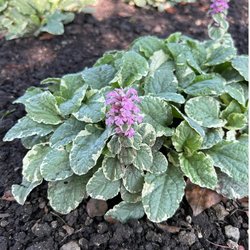
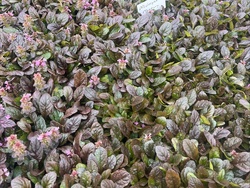
Ever heard the phrase “too much of a good thing?” Ajuga reptans (Bugleweed to us laypeople) is a beautiful, 3” tall groundcover that is hardy, evergreen, attracts pollinators, and puts out beautiful cones of flowers for a few months each spring. Quiet and stealthy, it can spread into your lawn and other areas of the garden if not kept in check. Ajuga is an amazing addition to rock gardens, walkways, and wetter areas. It's tough and once established after a few years, it is an aggressive grower that can withstand almost anything you throw at it. That being said…even deer and rabbits don’t like this stuff. Ajuga forms a dense mat of roots that will smother other plants in its path, and can grow almost anywhere. If you’re looking for a super-tough, resilient, tiny and beautiful beast of a groundcover, Ajuga will not disappoint. If you’re looking for something that “plays nice…” might we recommend a well-behaved alternative? |
|
Pros
|
|
Cons
|
|
| Why Like | Native to Europe, where it grows in the understory of mixed woodlands from Britain east into northwestern Russia. In the wild it forms dense, low mats across the forest floor, rooting as it spreads and sending up short spikes of blue-violet flowers each spring — the same fast-spreading habit that makes it such an effective groundcover in cultivation. |
| Highlights | One of the toughest, most reliable evergreen groundcovers in the garden — spreads readily by runners into a dense, weed-smothering mat, blooms with blue-violet flower spikes each spring, and shrugs off deer, rabbits, and nearly any soil condition. |
Plant Data | |
| Mature Size | 4 - 8 inches tall. 12 - 18 inches wide. |
| Growth Rate | Fast |
| Sun Exposure | Full Shade - Full Sun |
| Moisture Tolerance | Dry - Wet: Very adaptable — tolerates conditions from dry shade to occasionally wet or marshy soil, and is drought tolerant once established. |
| Zones | 3a - 10b (Usually hardy to -40° F) |
| Tags | Attracts Birds, Attracts Butterflies, Attracts Hummingbirds, Attracts Pollinators, Colorful Foliage, Container, Deer Resistant, Dry, Edging, Evergreen, Extended Bloom Time, Fall Color, For a Shady Spot, Full Shade, Full Sun, Good for Accents, Good for Borders, Good for Butterfly Garden, Groundcover, Grown For Attractive Foliage, Medium, Non-Allergenic, Normal Soil, Partial Shade, Partial Sun, Perennial, Rabbit Resistant, Shade Tolerant, Spillers, Tolerant of Moist Soil, Variegated Foliage, Well-Drained Soil, Wet, Wet Site Tolerant Blue or Purple Flowering Perennials, Deer Resistant Perennials, Small Perennials, Spring Blooming Perennials |
| Bloom Period | May to June |
| Flower Color | Blue to Purple |
Rankings |
|
Plant Club Content |
|
More Info from Experts |
|


| |
|
Want More
photos of this plant? Try
Google Image Search!
|
|
Pricing and Availability HistoryClick a label to toggle visibility for that size
|
|
|
|
|