Black Chokeberry (Aronia melanocarpa)
[ah-ROE-nee-ah mel-an-oh-KAR-pah]
Deciduous Perennial Shrub in the Rosaceae Family
Buy Black Chokeberry
Size
Notes
Price
Availability
An Illinois-native, easy-care shrub with clusters of white spring flowers, glossy summer foliage, and blue-black fruit prized by birds and berry-growers alike, turning brilliant red in fall.
Aronia melanocarpa, commonly known as Black Chokeberry, is an Illinois-native shrub valued for its clusters of white spring flowers, glossy dark green summer foliage, and abundant black fruit that ripens in late summer and persists into winter. Its foliage turns a reliable red to burgundy in fall, and its berries — tart and astringent fresh, but popular for jams, juice, and other processed uses — are also an important late-season food source for birds.
A tough, adaptable shrub, it tolerates everything from boggy, wet soil to periods of drought once established, and spreads slowly by root suckers to form a colony over time. It performs best in full sun to part shade.
Pros
Excellent, reliable red-to-burgundy fall color
Tolerates wet, boggy soil as well as drought once established
Virtually pest- and disease-free
Fruit is edible (tart, best cooked/processed) and valuable to birds and wildlife
Cons
Suckers and spreads to form a colony over time — best given room, or divided/restrained if a tidy specimen is wanted
Can be leggy at the base; best massed or placed toward the back of a border
Fresh fruit is tart and astringent, not palatable eaten raw in quantity
Why Like
A genuinely useful native for wildlife gardens: its flowers feed early-season mason and andrenid bees, its foliage hosts Coral Hairstreak butterfly and moth caterpillars, and its persistent winter fruit feeds Cedar Waxwings, Ruffed Grouse, foxes, and other wildlife well into the cold months.
Highlights
A tough, Illinois-native shrub combining spring flowers, reliable red fall foliage, and bird-favorite black fruit — equally at home in a rain garden or a naturalized planting.
Plant Data
Mature Size
3 - 8 feet
tall. 3 - 6 feet
wide.
Growth Rate
Fast
Sun Exposure
Partial Shade - Full Sun
Moisture Tolerance
Medium - Wet: Widely Adaptable
Zones
3a - 8b
(Usually hardy to -40° F)
Tags
Attracts Bees, Attracts Birds, Attracts Butterflies, Deciduous, Full Sun, Illinois Native, Medium, Partial Shade, Partial Sun, Perennial, Shrub, Wet, Wet Site Tolerant Bareroot Shrubs, Fall Color Shrubs, Fast Growing Shrubs, Pink Flowering Shrubs, Small Shrubs, White Flowering Shrubs, Wildlife Shrubs
Pairs well with other moisture-tolerant native shrubs and perennials such as winterberry holly, red-twig dogwood, switchgrass, and swamp milkweed in a rain garden or naturalized planting.
We try very hard to source exactly what you’d like, but sometimes growers run out of plants! While this variety is a great deal at the price shown, we know that it has limited availability. If you want the plant even if it might be more expensive, or in a different size or quantity -- after you place your order, just send us a quick note at help@northshoreplantclub.com. Then, we’ll try to get you some version of this from one of our growers. And if we can’t get it from anywhere, of course, we’ll send a refund!
Field-Grown vs. Greenhouse-Grown Plants
Plants which are well-adapted to our local climate are most often field-grown (outside). Field-grown plants are generally cheaper and have the advantage of already somewhat acclimated to our cold winters, but that means they’re not artificially far along in the spring and tend to bloom at the normal time in our area.
Spring annuals and tender perennials are typically grown in Greenhouses so they can be ready and luxurious exactly when customers want them. Some perennials are also “forced” into early bloom in greenhouses. In May, there can be a very big difference between field-grown and greenhouse-grown plants of the same type. The latter typically look good right away (so they’re a great choice where that’s important), but we typically pay a premium for it.
Estimated Recipe Cost
The cost of this recipe's ingredients will vary depending on the season and the sizes and varieties you select.
Benefits of Membership
Want a better way to get great plants and make your yard look awesome? Create your account below and get:
The best plants… from the same sources the pros use, but at near wholesale prices
More plants in more sizes than anywhere else… whether you’re looking for classics or rarities; annuals, perennials or shrubs; one plant or a whole yardful!
"No Contact" delivery or easy pick-up at a site near you without fighting the retail crowds. You choose!
Membership is free, but — since we rely on delivery and local pick-up — you have to live near one of our hubs (or be willing to drive to a site to pick them up). If you live farther away, and would like to help us bring the club to your neighbors, please email helpusgrow@northshoreplantclub.com.
Already a member?
Login
About Ordering From The Plant Club
To secure the best prices for club members and make sure we know the current plants available from each nursery, we take orders only a couple of times a month.
We order from a rotating cast of the best nurseries in the Great Lakes region.
It looks like we've offered this plant in the past, but the nurseries we're working with this week don't appear to have it in stock at the moment.
Our goal is to bring as many plants together under "one roof" as possible, so we'll try hard to make it available again in the future!
 North Shore Plant Club


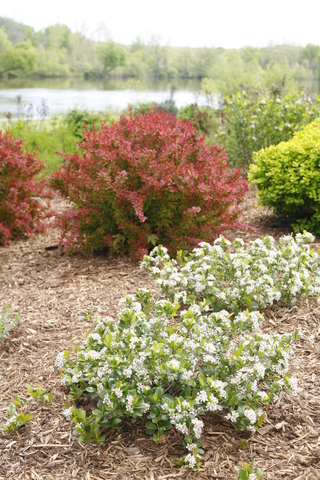
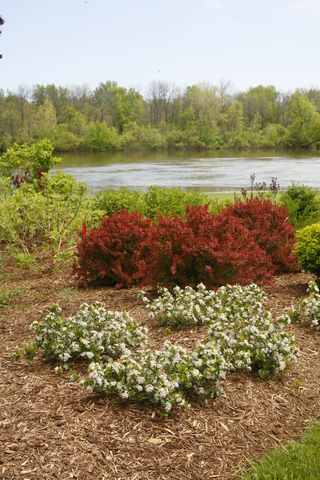

 Professor Ed Black Chokeberry


