 North Shore Plant Club
- Shop For Plants
- Search Plants
- Resources for Gardeners
- Color Wheel of Plants
- Interactive Landscapes
- Photos of Planters & Hanging Baskets
- September Photos from Our Community
- Botanic Gardens: Chicago & Beyond
- Local Nurseries
- Upcoming Plant Events
- Plant Club Articles & Answers
- Gardening in the News
- Chicagoland Garden Calendar
- Explaining Plant Container Sizes
- Thrillers, Fillers & Spillers
- Join Free!
- Mundelein
Jul 23, 2026
August Blooms in the Chicago Garden: Perennials, Shrubs, and Trees That Keep Summer Glowing
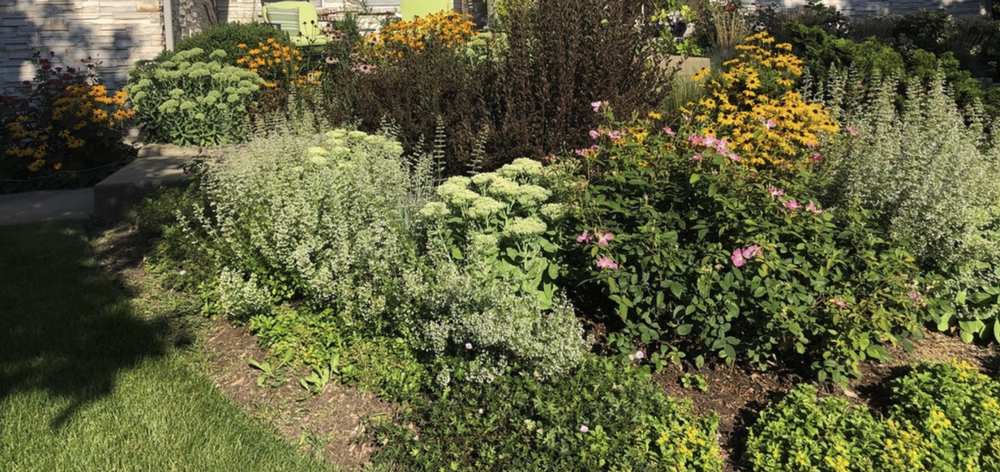
By August, many Midwest gardeners begin to notice the first hints of autumn. Days grow slightly shorter, nights turn cooler, and spring's bright performers have long since faded. Yet August is far from the end of the gardening season — in fact, many of Chicagoland's most reliable and breathtaking plants save their finest display for late summer.
August can be one of the most rewarding months in the landscape. Pollinators reach peak activity, ornamental grasses have matured enough to bring structure and movement, and late-season flowers offer rich color well into September and October. By selecting plants built to handle Chicago's late-summer heat and humidity, you can keep your landscape glowing when neighboring yards begin to look tired.
Many of the natives below are also excellent bee plants — see our companion piece, Beeing Mindful: 10 Ways to Help Bees in Chicagoland, for more on why Coneflower, Black-Eyed Susan, and Joe-Pye Weed do double duty for pollinators.
Perennials That Steal the Show in August
Japanese Anemone (Anemone hupehensis)
One of the most elegant late-season perennials, Japanese Anemone sends slender stems of pink or white flowers dancing above lush foliage. They bring welcome brightness to partially shaded borders where spring bloomers have faded.
• Care Tip: These durable plants resent being moved once established, so give them room to slowly spread into graceful drifts.
Garden Phlox (Phlox paniculata)
Few flowers are as iconic to late summer as Garden Phlox, and it's an Illinois native to boot. Large, fragrant clusters in shades of white, pink, lavender, and red draw hummingbirds, butterflies, and native bees in droves.
• Pro Tip for Chicago Humidity: Late summer humidity frequently triggers powdery mildew on older varieties. Seek out disease-resistant cultivars like 'David', 'Jeana', or 'Glamour Girl', and water at the base to keep foliage dry.
Joe-Pye Weed (Eutrochium purpureum)
A true Illinois native, Joe-Pye Weed commands attention with massive mauve-pink flower heads atop 5- to 7-foot stems. Monarchs, swallowtails, and native bees flock to it during peak August heat.
• Moisture Note: Unlike drought-tolerant prairie plants, Joe-Pye Weed prefers consistent moisture — give it a deep soak during dry August spells.
Black-Eyed Susan (Rudbeckia fulgida)
Another Illinois native, Black-Eyed Susan begins in July but hits its peak in August. Cheerful golden-yellow petals with dark centers pair beautifully with purple-flowering perennials and ornamental grasses.
Coneflower (Echinacea purpurea)
A staple of Midwestern prairies and an Illinois native, Purple Coneflower handles extreme summer heat, humidity, and dry spells with ease.
• Wildlife Value: Resist the urge to deadhead late blooms! Leaving seed heads intact through fall and winter creates a vital natural foraging station for American Goldfinches.
Sedum 'Autumn Joy' (Hylotelephium)
As August unfolds, the broccoli-like flower heads of 'Autumn Joy' turn from cool green to soft pink before deepening into rich copper and burgundy in fall. Its thick succulent leaves tolerate severe heat and dry conditions effortlessly.
Turtlehead (Chelone)
An underused Illinois native, Turtlehead blooms in late summer with snapdragon-like flowers in pink or white. It thrives in damp areas and rain gardens where other plants struggle.
Hardy Hibiscus (Hibiscus moscheutos)
For pure drama, nothing matches Hardy Hibiscus. Dinner-plate-sized blooms (8 to 10 inches wide) burst open in vibrant shades of red, pink, and white throughout August. Despite its tropical appearance, this native perennial easily survives Zone 5 Chicago winters.
Flowering Shrubs That Peak in Late Summer
Panicle Hydrangea (Hydrangea paniculata)
If August had an official shrub, it would be the Panicle Hydrangea. Standout varieties like 'Limelight', 'Little Lime', 'Pinky Winky', and 'Fire Light' produce massive flower heads that start lime-green or white before ripening into rich pinks and burgundy shades. They thrive across Chicagoland and hold their dried panicles into winter.
Rose of Sharon (Hibiscus syriacus)
This sturdy shrub provides a continuous flush of large, hibiscus-like blooms in shades of purple, blue, pink, and white when most other woody plants have finished.
• Cultivar Choice Matters: Older varieties self-seed prolifically, creating unwanted garden weeds. Stick to modern, seedless or low-fertility cultivars such as the Chiffon series or 'Sugar Tip'.
Summersweet (Clethra alnifolia)
One of the most delightfully fragrant late-summer shrubs, Summersweet bears upright spikes of white or pink flowers that fill the garden with a perfume reminiscent of cloves. It's native to the eastern U.S. rather than Illinois specifically, but it handles moist soil and partial shade with ease here too.
Buttonbush (Cephalanthus occidentalis)
Native to Illinois wetlands, Buttonbush features unique, pincushion-like spherical blooms that appear in mid-to-late summer. It is an exceptional pollinator magnet for rain gardens and wet spots in the yard.
Shrub Cinquefoil (Potentilla fruticosa)
Though low-growing, Potentilla earns its place through sheer endurance, blooming non-stop from early summer into autumn with bright yellow, white, or orange flowers.
Trees That Bring Surprise Summer Flowers
Seven-Son Flower (Heptacodium miconioides)
A rare delight for late summer, this large shrub/small tree opens creamy-white, highly fragrant flower clusters in late August. Once the petals drop, the calyces turn brilliant cherry-red, creating a stunning second display that lasts for weeks into fall.
American Basswood (Tilia americana)
While Basswood peaks earlier in summer, its lingering fragrant blooms often extend into August, serving as a critical late nectar source for honeybees and native pollinators in large landscapes.
A Few More Late-Summer Companions: Native Stars & Grasses
To tie your August bloomers together, consider incorporating these essential companions:
- Ironweed (Vernonia fasciculata): Offers deep, royal-purple flowers that provide a breathtaking color contrast against yellow Black-Eyed Susans.
- Blazing Star (Liatris spicata): Features vertical purple spikes that add dynamic texture alongside lower-growing sedums.
- Native Ornamental Grasses: Species like Little Bluestem (Schizachyrium scoparium) and Switchgrass (Panicum virgatum 'Northwind') begin developing seed heads and rich autumn tones in late August, adding soft motion and architectural structure behind your flowering perennials.
Practical August Garden Care Tips
- Smart Watering: Group plants by moisture needs. Keep moisture lovers like Turtlehead and Joe-Pye Weed hydrated during dry stretches, while letting drought-tolerant Sedum and Coneflower dry out between waterings.
- Prevent Powdery Mildew: Ensure good air circulation around crowded beds and avoid overhead evening watering, which leaves foliage wet overnight.
- Selective Deadheading: Deadhead Garden Phlox and Potentilla to encourage continued blooming. Leave Echinacea, Rudbeckia, and Sedum alone so their seed heads can mature for winter interest and bird feed.