 North Shore Plant Club
- Shop For Plants
- Search Plants
- Resources for Gardeners
- Color Wheel of Plants
- Interactive Landscapes
- Photos of Planters & Hanging Baskets
- November Photos from Our Community
- Botanic Gardens: Chicago & Beyond
- Local Nurseries
- Upcoming Plant Events
- Plant Club Articles & Answers
- Gardening in the News
- Chicagoland Garden Calendar
- Explaining Plant Container Sizes
- Thrillers, Fillers & Spillers
- Join Free!
- Mundelein
Standing Ovation Little Bluestem (Schizachyrium scoparium 'Standing Ovation')
|
|
| Deciduous Perennial Upright, Rigid, Clump-Forming in the Poaceae Family | |
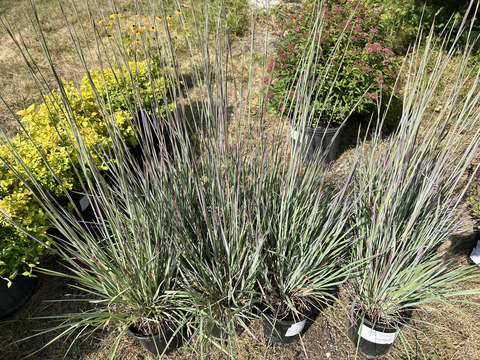
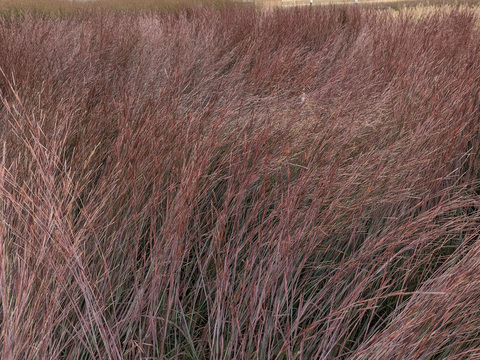
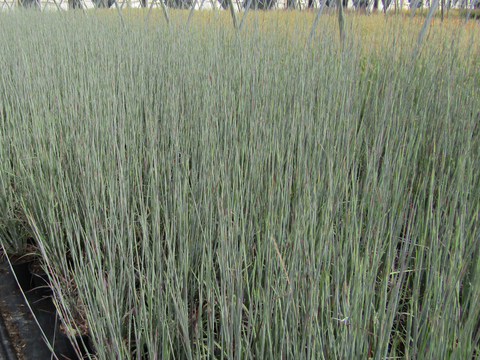
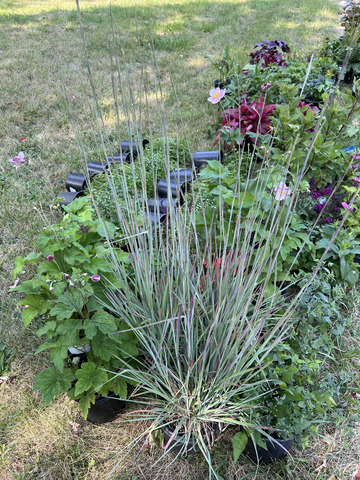
Spikey bluish-green stems and leaves transition to oranges, reds, yellows and purplish-browns in autumn. |
|
| 'Standing Ovation' (PP25,202, Steven Castorani & Timothy McGinty, North Creek Nurseries) was discovered in 2003 as a naturally occurring whole-plant mutation growing among 'The Blues' (its likely parent) in a North Creek trial bed, and first divided in 2008. Blue foliage tipped red through the season turns red to maroon in fall and holds its color later than most little bluestem, with purple-bronze plumes maturing to white seed heads. Its rigid, upright, clump-forming habit resists lodging even in rich soil. | |
Pros
|
|
Cons
|
|
Plant Data | |
| Mature Size | 3 - 4 feet tall. 12 - 18 inches wide. |
| Growth Rate | Moderate |
| Sun Exposure | Full Sun - Full Sun |
| Moisture Tolerance | Dry - Medium: Dry to medium. Drought tolerant once established. |
| Zones | 3a - 8b (Usually hardy to -40° F) |
| Tags | Attracts Birds, Attracts Butterflies, Attracts Pollinators, Attracts Wildlife, Colorful Foliage, Container, Deciduous, Deer Resistant, Drought Tolerant, Dry, Erosion Control, Full Sun, Good for Accents, Good for Borders, Good for Mass Planting, Good for Rain Garden, Grasses, Grown For Attractive Foliage, Low Maintenance, Medium, Most Popular, Nativar, Normal Soil, Perennial, Popular For Fall, Rabbit Resistant, Tolerant of Clay Soil, Tolerant of Salt, Tolerant of Sandy Soil, Well-Drained Soil |
| Bloom Period | September to October |
| Flower Color | Purple-Bronze to Silvery-White |
| Foliage Color |
|
Awards |
|
Most Popular Plants |
|
|
"Tolerant of Salt" #9,
"Erosion Control" #10,
"Grasses" #10,
"Nativar" #14,
"Dry" #14,
"Colorful Foliage" #16,
"Tolerant of Clay Soil" #18,
"Tolerant of Sandy Soil" #18,
"Popular For Fall" #22
|
|
Plant Club Content |
|
Commonly Planted with...Pairs well with coneflower (Echinacea), black-eyed Susan (Rudbeckia), and other sun-loving prairie perennials. A likely sport of its sibling 'The Blues'. |
|
Photos of This with...Red Butterflies Milkweed, Solanna Golden Sphere Tickseed, Cheyenne Spirit Coneflower, Banana Cream Shasta Daisy |
|


| |
|
Want More
photos of this plant? Try
Google Image Search!
|
|
Pricing and Availability HistoryClick a label to toggle visibility for that size
|
|
Past Availability2025 : 04/03 - 10/042024 : 05/01 - 10/05 2023 : 05/04 - 09/30 |
|