 North Shore Plant Club
- Shop For Plants
- Search Plants
- Resources for Gardeners
- Color Wheel of Plants
- Interactive Landscapes
- Photos of Planters & Hanging Baskets
- November Photos from Our Community
- Botanic Gardens: Chicago & Beyond
- Local Nurseries
- Upcoming Plant Events
- Plant Club Articles & Answers
- Gardening in the News
- Chicagoland Garden Calendar
- Explaining Plant Container Sizes
- Thrillers, Fillers & Spillers
- Join Free!
- Mundelein
Pale Purple Coneflower (Echinacea pallida)
|
|||||
| Deciduous Perennial Upright, Clump-Forming in the Asteraceae Family | |||||
Buy Pale Purple Coneflower | |||||
|
|||||
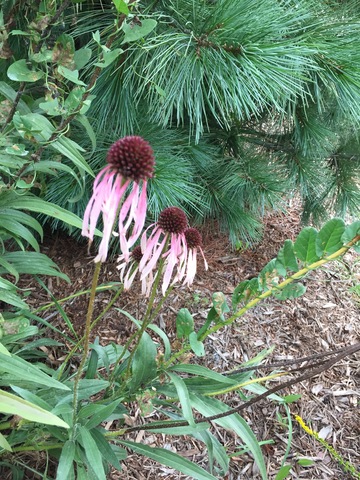
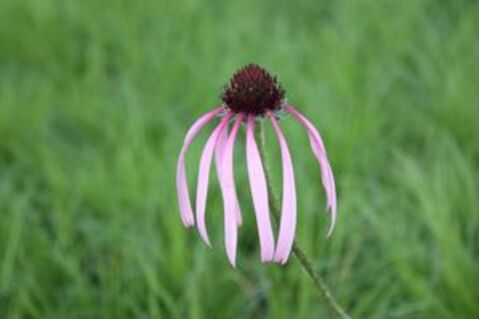
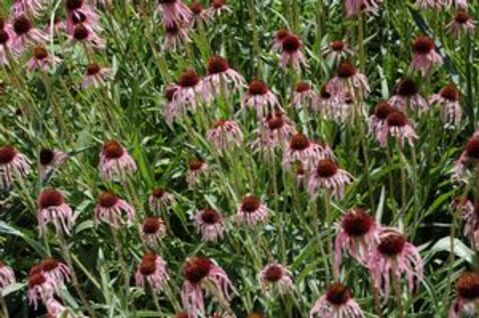
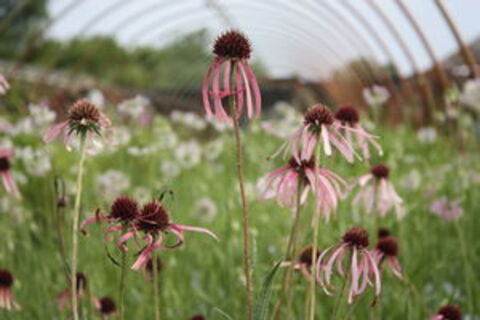
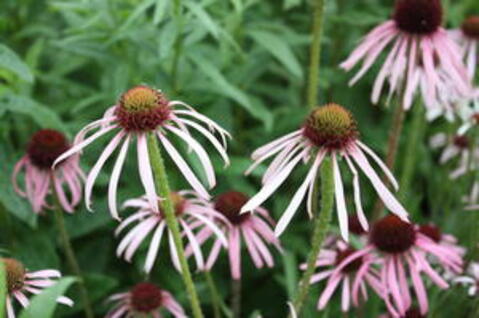
Pink daisy-shaped flowers. The flat flower center is surrounded by recurved petals, thinner and lighter purple in color, |
|||||
| Pale Purple Coneflower is a native North American species found wild from the upper Midwest south to Texas and Louisiana. It's easily told apart from Echinacea purpurea by its narrow, drooping pale pink to purple petals (12-20 of them, each with three small notched tips) around a domed, spiny, reddish-brown center cone. A deep taproot makes it exceptionally drought-tolerant once established, though that same taproot means it resents being moved or divided. | |||||
Pros
|
|||||
Cons
|
|||||
| Why Like | A true native prairie species with a strikingly different flower form from purpurea (narrow, drooping petals rather than broad ones) -- a good choice for native-plant and pollinator gardens wanting species diversity within the genus. | ||||
Plant Data | |||||
| Mature Size | 24 - 36 inches tall. 12 - 18 inches wide. | ||||
| Growth Rate | Medium | ||||
| Sun Exposure | Partial Shade - Full Sun | ||||
| Moisture Tolerance | Dry - Medium | ||||
| Zones | 3a - 9b (Usually hardy to -40° F) | ||||
| Tags | Attracts Birds, Attracts Butterflies, Attracts Hummingbirds, Attracts Pollinators, Attracts Wildlife, Container, Deciduous, Deer Resistant, Drought Tolerant, Dry, Extended Bloom Time, Formal Garden, Fragrant Flowers, Full Sun, Good for Beginners, Good for Borders, Good for Butterfly Garden, Good for Cottage Garden, Good for Cut Flowers, Good for Mass Planting, Good for Rain Garden, Illinois Native, Low Maintenance, Medium, Most Popular, Native to North America, Normal Soil, Partial Shade, Partial Sun, Perennial, Popular For Fall, Prairie Garden, Rabbit Resistant, Showy Flowers, Thrillers, Tolerant of Moist Soil, Tolerant of Poor Soil, Well-Drained Soil, Winter Interest | ||||
| Bloom Period | July - August | ||||
| Flower Color | Pale Purple
|
||||
Plant Club Content |
|||||
In The News |
|||||
|
|||||
More Info from Experts |
|||||
Photos of This with...Rusty Foxglove |
|||||



| |
|
Want More
photos of this plant? Try
Google Image Search!
|
|
Pricing and Availability HistoryClick a label to toggle visibility for that size
|
|
Past Availability2025 : 04/03 - 10/042024 : 05/01 - 10/05 2023 : 04/13 - 09/30 |
|