 North Shore Plant Club
- Shop For Plants
- Search Plants
- Resources for Gardeners
- Color Wheel of Plants
- Interactive Landscapes
- Photos of Planters & Hanging Baskets
- September Photos from Our Community
- Botanic Gardens: Chicago & Beyond
- Local Nurseries
- Upcoming Plant Events
- Plant Club Articles & Answers
- Gardening in the News
- Chicagoland Garden Calendar
- Explaining Plant Container Sizes
- Thrillers, Fillers & Spillers
- Join Free!
- Mundelein
Feb 8, 2026
Will You Be My Soil Mate? Talk Dirt to Me!
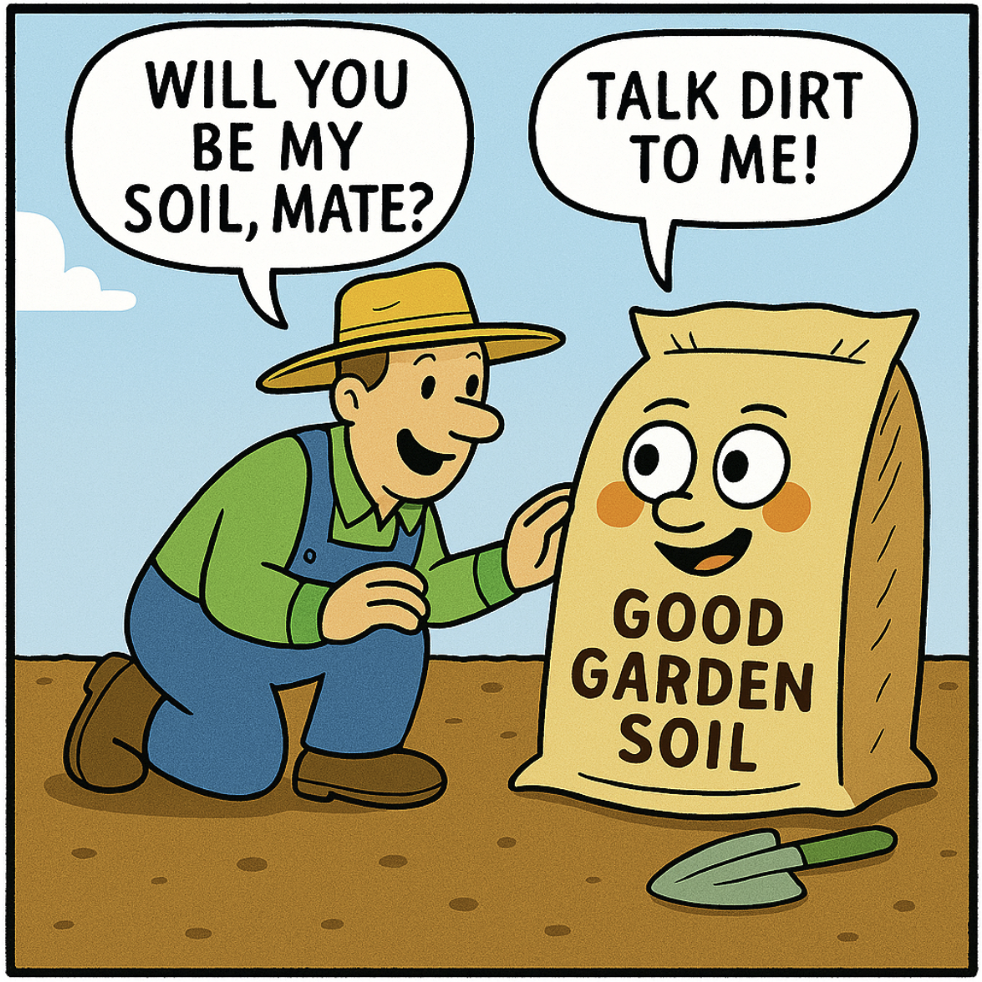
A Valentine’s Day Feature for Garden Lovers
Valentine’s Day tends to conjure images of roses, chocolates, and candlelit dinners—but here in the Plant Club, we know the real love stories rarely happen in vases or candy boxes. They happen underground. In fact, if you want to witness true devotion, look no further than the intimate relationship between plants and the soil that sustains them. This year, instead of writing love notes to sweethearts, why not pen one to the quiet hero beneath your feet?
After all, soil is the partner every gardener can count on. It’s steady. It’s complex. It’s nutrient rich. And while it may not bring you flowers on February 14th, it certainly helps your garden grow them.
So let’s talk dirt—literally.
The Real Love Language of Soil
Soil is far more than a crumbly brown substance you shake out of your boots. A good garden soil contains a complex blend of minerals, organic matter, microorganisms, air pockets, and moisture—all working together in ways that resemble a successful relationship. Strong communication? Check. Mutual support? Absolutely. A thriving community of helpers? You bet.
In healthy soil, billions of microorganisms work tirelessly to break down organic materials, deliver nutrients to plant roots, and maintain structure. This bustling underground ecosystem is like the ultimate matchmaking service, pairing roots with what they need before they even ask.
If soil had a dating profile, it would read:
“Stable. Supportive. Great at long term commitment. Loves decomposing leaves, rainy days, and helping others reach their full potential.”
Who wouldn’t swipe right?
What Makes a Plant Say “You’re My Type”?
Just like people, plants have preferences. Some like it rich and loamy. Others prefer sharp drainage or a sandy texture. A tomato plant, for example, thrives in deep, fertile, slightly acidic soil—nutrient dense and well structured. Lavender, meanwhile, prefers fast draining soil with a light touch of neglect. (Sometimes opposites really don’t attract.)
Understanding your soil type is the first step in creating a relationship that lasts. Is it clay heavy, sandy, silty, or a blend? Does it drain quickly or cling to moisture? Does it need amendment, or just a little appreciation?
When you learn what your soil needs, you’re not just gardening—you’re building a partnership.
Compost: The Love Letter Your Soil Craves
In the rhythm of the garden, compost is the bouquet of flowers your soil never knew it needed. Adding compost improves soil structure, boosts microbial activity, enhances moisture retention, and strengthens your plants’ health.
Consider compost the soil’s version of chocolate truffles: rich, decadent, and full of life giving energy. (Bonus: it never melts in your hands.)
A yearly top dressing of compost is one of the best ways to nurture your soil mate and ensure your plants thrive from spring to frost.
Mulch: A Warm Hug for Your Garden
A layer of mulch does more than make your beds look tidy—it protects your soil from erosion, helps regulate temperature, conserves moisture, and slowly decomposes to enrich the ground below.
Think of mulch as the cozy blanket you tuck around your soil on a chilly February morning. Caring, thoughtful, and stylish enough for company.
This Valentine’s Day, Give Your Soil a Little Love

Before spring rushes in with its to do lists and frantic planting, Valentine’s Day offers the perfect moment to pause and appreciate the quiet, powerful partnership beneath your feet. This is a great time to think about getting a little compost or mulch for your plants. The Plant Club has a special arrangement with the Mulch Center so you can get the perfect mulch delivered to you and your plants whenever they need a hit.
Maybe you spread a little compost. Maybe you send your soil for a pH test. Maybe you simply kneel down, run your hands through it, and whisper, “Thanks for always being there for me.”
After all, every beautiful garden starts with a great relationship—and the best relationships begin with healthy soil.
So this February 14th, as you celebrate love in all its forms, don’t forget the most steadfast partner of all.
Happy Valentine’s Day, soil mates. Now go talk a little dirt!