North Shore Plant Club
- Shop For Plants
- Search Plants
- Resources for Gardeners
- Color Wheel of Plants
- Interactive Landscapes
- Photos of Planters & Hanging Baskets
- October Photos from Our Community
- Botanic Gardens: Chicago & Beyond
- Local Nurseries
- Upcoming Plant Events
- Plant Club Articles & Answers
- Gardening in the News
- Chicagoland Garden Calendar
- Explaining Plant Container Sizes
- Thrillers, Fillers & Spillers
- Join Free!
- Mundelein
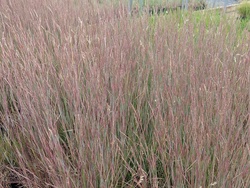
Little Bluestem (Schizachyrium scoparium)
|
|||||
| Deciduous Perennial Upright, Clump-Forming in the Poaceae Family | |||||
Buy Little Bluestem | |||||
|
|||||
A tough native prairie grass that turns a warm copper-orange in October and holds its color — plus fluffy silver seed heads — well into winter. Named 2022 Perennial Plant of the Year. |
|||||
|
Schizachyrium scoparium, little bluestem, is a native North American prairie grass found across most of the contiguous United States, from southern Canada into northern Mexico, and is especially common in Midwestern tallgrass prairies. It forms upright, fine-textured clumps of blue-green foliage in summer that turn a rich copper-orange in fall — a color that holds through much of winter, along with fluffy, silvery seed heads that catch the low autumn light. In 2022, it was named Perennial Plant of the Year by the Perennial Plant Association. |
|||||
Pros
|
|||||
Cons
|
|||||
| Why Like | A keystone tallgrass prairie species and a larval host plant for several skipper butterflies as well as the Common Wood-Nymph, whose caterpillars overwinter low in the clump — leaving old growth standing through winter (rather than cutting back in fall) helps support them. Its seeds feed songbirds and small mammals through the colder months, and its dense, fibrous root system — which can reach several feet deep — makes it valuable for erosion control and improving compacted or poor soils. | ||||
| Highlights | Peak fall/winter interest plant — copper-orange blades and silvery, backlit seed heads carry the show from October through much of winter. Named 2022 Perennial Plant of the Year by the Perennial Plant Association. | ||||
Plant Data | |||||
| Mature Size | 24 - 48 inches tall. 12 - 24 inches wide. | ||||
| Growth Rate | Moderate | ||||
| Sun Exposure | Full Sun - Full Sun | ||||
| Moisture Tolerance | Dry - Medium: Excellent drought tolerance once established; tolerates occasionally dry to medium moisture, but not standing wet soil. | ||||
| Zones | 3a - 9b (Usually hardy to -40° F) | ||||
| Tags | Attracts Beneficial Insects, Attracts Birds, Attracts Butterflies, Attracts Pollinators, Attracts Wildlife, Colorful Foliage, Container, Deciduous, Deer Resistant, Drought Tolerant, Dry, Erosion Control, Fall Color, Fall interest, Formal Garden, Foundation, Full Sun, Good for Accents, Good for Beginners, Good for Borders, Good for Butterfly Garden, Good for Cottage Garden, Good for Cut Flowers, Good for Mass Planting, Good for Rain Garden, Good for Rock Garden, Good for Rocky Soil, Grasses, Grown For Attractive Foliage, Illinois Native, Low Maintenance, Medium, Modern Garden, Most Popular, Native to North America, Naturalizing, Normal Soil, Perennial, Popular For Fall, Prairie Garden, Rabbit Resistant, Tolerant of Clay Soil, Tolerant of Moist Soil, Tolerant of Salt, Tolerant of Sandy Soil, Well-Drained Soil, Woodland Garden Deer Resistant Perennials, Large Perennials, Ornamental Grass, Partial Sun Perennials | ||||
| Bloom Period | June to October | ||||
| Flower Color | Purplish-Bronze | ||||
| Foliage Color | Blue-Green
| ||||
Awards |
|||||
Most Popular Plants |
|||||
|
"Good for Rocky Soil" #2,
"Modern Garden" #2,
"Erosion Control" #6,
"Dry" #8,
"Grasses" #9,
"Tolerant of Salt" #10,
"Tolerant of Clay Soil" #12,
"Colorful Foliage" #13,
"Tolerant of Sandy Soil" #15,
"Illinois Native" #16
|
|||||
Plant Club Content |
|||||
More Info from Experts |
|||||
Commonly Planted with...Showy aster (Aster spectabilis) Downy wood mint (Blephilia ciliata) Sideoats grama (Bouteloua curtipendula) Wine cups (Callirhoe involucrata) Northern seaoates (Chasmanthium latifolium) Lanceleaf tickseed (Coreopsis lanceolata) |
|||||
Photos of This with...Big Blue Stem, Bonanza Deep Orange French Marigold, EnduraScape Blue Verbena, EnduraScape Hot Pink Verbena |
|||||


| |
|
Want More
photos of this plant? Try
Google Image Search!
|
|
Pricing and Availability HistoryClick a label to toggle visibility for that size
|
|
Past Availability2025 : 04/03 - 10/042024 : 05/01 - 10/05 2023 : 04/13 - 09/30 |
|